
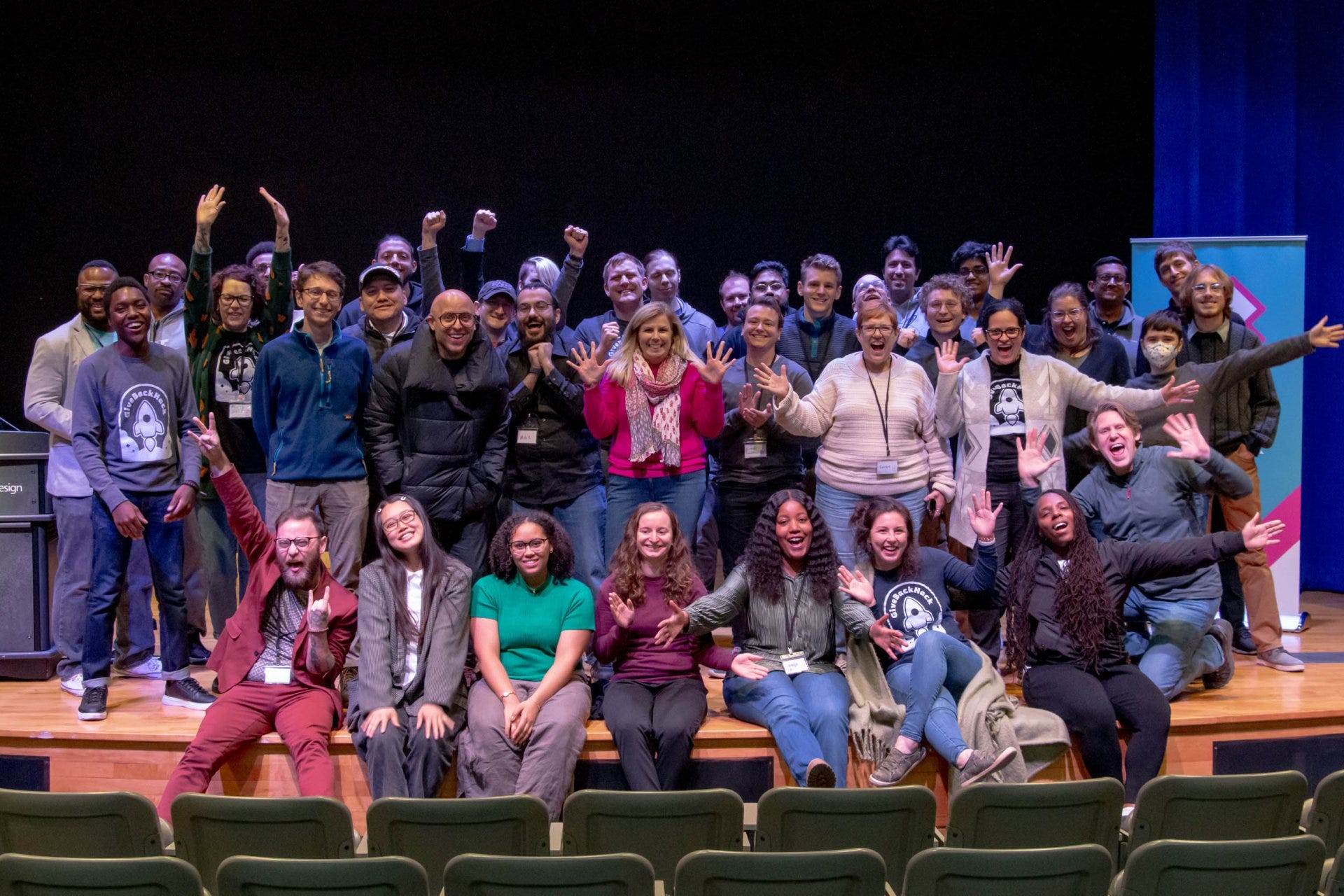
People don’t lie in customer interviews. They’re just being polite.
I’ve watched this happen countless times at GiveBackHack. A founder, excited about their idea, finds someone to talk to. They explain their concept with genuine enthusiasm, then ask the question that feels like progress: “Would you use this?”
And the person across from them, not wanting to be unkind, says, “Yeah, definitely. Great idea.”
It feels like validation. But it’s really garbage.
The problem isn’t dishonesty. The person answering genuinely wants to be helpful. They can see the founder’s investment in this idea. They can feel the hope behind the question. So they do what polite people do. They say something encouraging.
But encouragement and insight are not the same thing.
At GiveBackHack, teams often approach me between sessions. They’re building concepts under pressure, looking for feedback anywhere they can find it. “Here’s my idea,” they’ll say. “We’re going to do this thing. How does that sound?”
It’s a natural tendency. When you’re in the middle of a design thinking hackathon with a ticking clock, you want to know if you’re on the right track. You want someone to tell you your instincts are good.
But the whole point of design thinking is something different. It’s about surfacing your assumptions, then testing them against reality. Not asking people to evaluate your vision, but learning how they actually experience the problem you’re trying to solve.
That’s the hard part. Especially in a compressed format. Especially when you’re not experiencing the problem yourself.
Rob Fitzpatrick’s book “The Mom Test” offers a framework for this. The title comes from a simple idea: even your mom will lie to you if you ask her whether your business idea is good. She loves you. She wants to support you. So she’ll tell you what you want to hear.
The solution isn’t to find more objective people. It’s to ask better questions.
Instead of “Would you use this?”, you ask: “Tell me about the last time you dealt with this problem.”
Suddenly you’re not pitching. You’re listening. You hear what matters to them, in their own words. You learn what they’ve already tried, what frustrated them, what they gave up on.
Fitzpatrick calls these “good questions” because they can’t be answered with polite lies. They’re grounded in specifics. They ask about the past, not the hypothetical future. They invite stories instead of opinions.
And stories reveal everything.
Sometimes the problem you thought you were solving isn’t even on their radar. Sometimes they’ve built workarounds you never considered. Sometimes you realize you’ve been asking the wrong question entirely.
This is why we push teams at GiveBackHack to focus on how people are experiencing the problem, not whether people like the proposed solution. That insight is the hardest to gain. And it’s the most valuable.
Even if you have firsthand experience with the problem, your experience isn’t necessarily representative. You might be an edge case. You might have resources or constraints that others don’t share. The way you feel the problem might be completely different from the way someone else feels it.
So you ask. And you listen. And you let go of the need to be right.
There’s something humbling about this approach. You walk into a conversation without the comfort of your pitch. You don’t get to steer toward the answer you’re hoping for. You have to sit with uncertainty long enough to hear what’s actually true.
But that’s where the real learning happens.
The goal isn’t to prove your idea right. It’s to understand what reality is telling you. Sometimes reality confirms your instincts. Sometimes it redirects you entirely. Either way, you’re building on solid ground instead of polite applause.
The next time you’re testing an idea, whether at a hackathon or in your own venture, resist the urge to ask, “What do you think?” Ask instead about the last time they encountered the problem. Ask what they did about it. Ask what made it hard.
Then be quiet. Let them fill the space.
Lead with their experience, and the insights will follow.